

Feeling stuck in a style rut? This guide shows you how to accessorize outfits with jewelry that transforms everyday look...
There’s something utterly magical about the swirl of an Anarkali dress. As the fabric flutters mid-twirl, it exudes drama, elegance, and opulence—a vision of regal beauty that commands the spotlight at any celebration. It's no wonder that for many women, this outfit represents the epitome of traditional glamour and timeless grace.
But that iconic flare isn’t just about fashion—it’s a living remnant of a rich cultural narrative that dates back to the grandeur of the Mughal Empire. Steeped in romance, rebellion, and artistic expression, the Anarkali suit is more than just a garment; it’s a story stitched in fabric with roots embedded deep in history.
In this blog, we’ll take you on a journey through the Anarkali suit history, its royal beginnings, cinematic revivals, and modern reinventions. Whether you’re planning a wedding ensemble or curating your next Eid outfit in the UAE, you’ll see why the Anarkali remains the gold standard of ethnic elegance.
The Anarkali suit's enduring appeal lies in its perfect blend of historical romance, flattering silhouette, and contemporary adaptability, making it a cherished staple in every ethnic wear wardrobe.
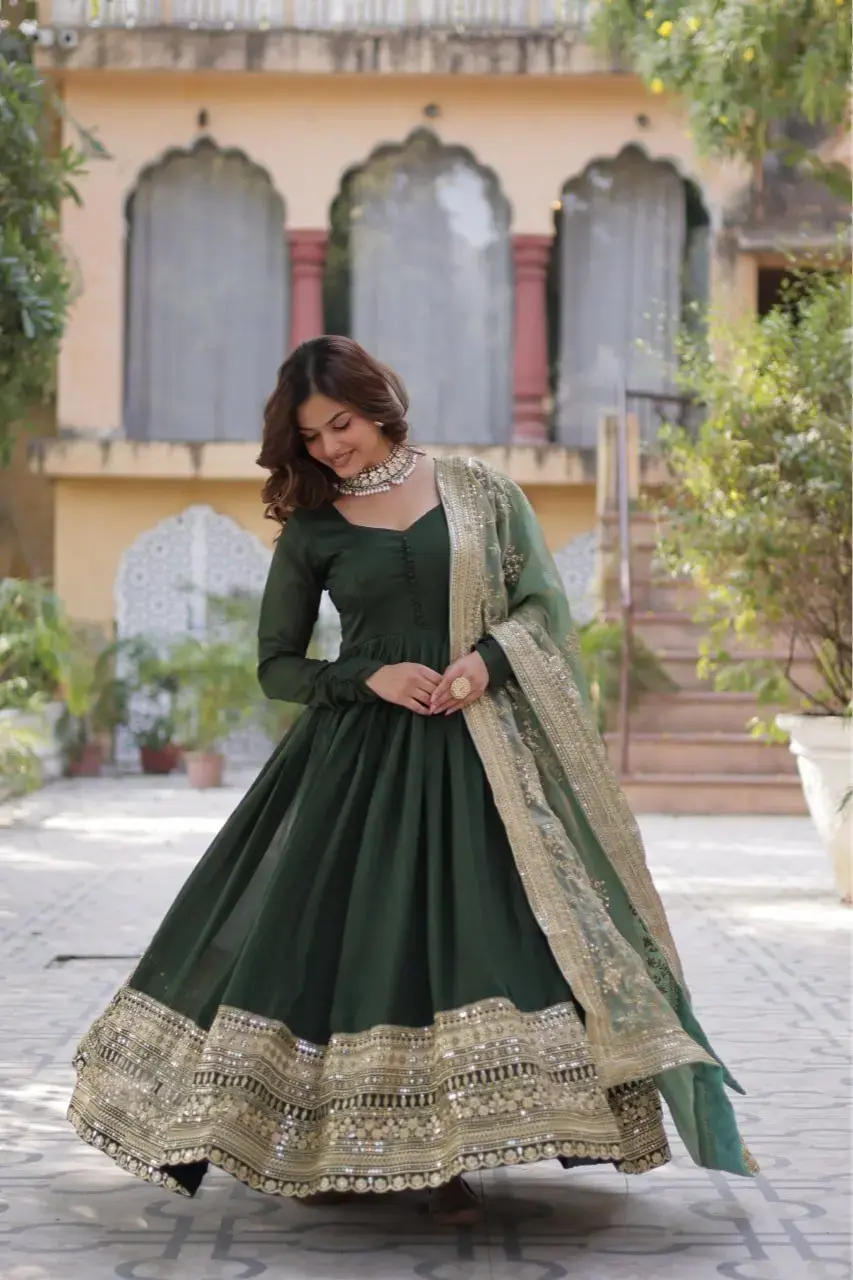
The Anarkali suit draws its name from a legendary figure—Anarkali, a beautiful dancer in the court of Emperor Akbar. According to folklore, she captured the heart of Prince Salim, later Emperor Jahangir. Their love, deemed forbidden, ended in tragedy when Anarkali was allegedly entombed alive for defying royal authority.
While historians continue to debate the accuracy of the tale, its impact on South Asian culture is undeniable. The silhouette of the Anarkali, with its romantic flare and sensual movement, is said to mirror the kind of dress this ill-fated courtesan once wore—symbolizing eternal love, feminine strength, and poetic rebellion.
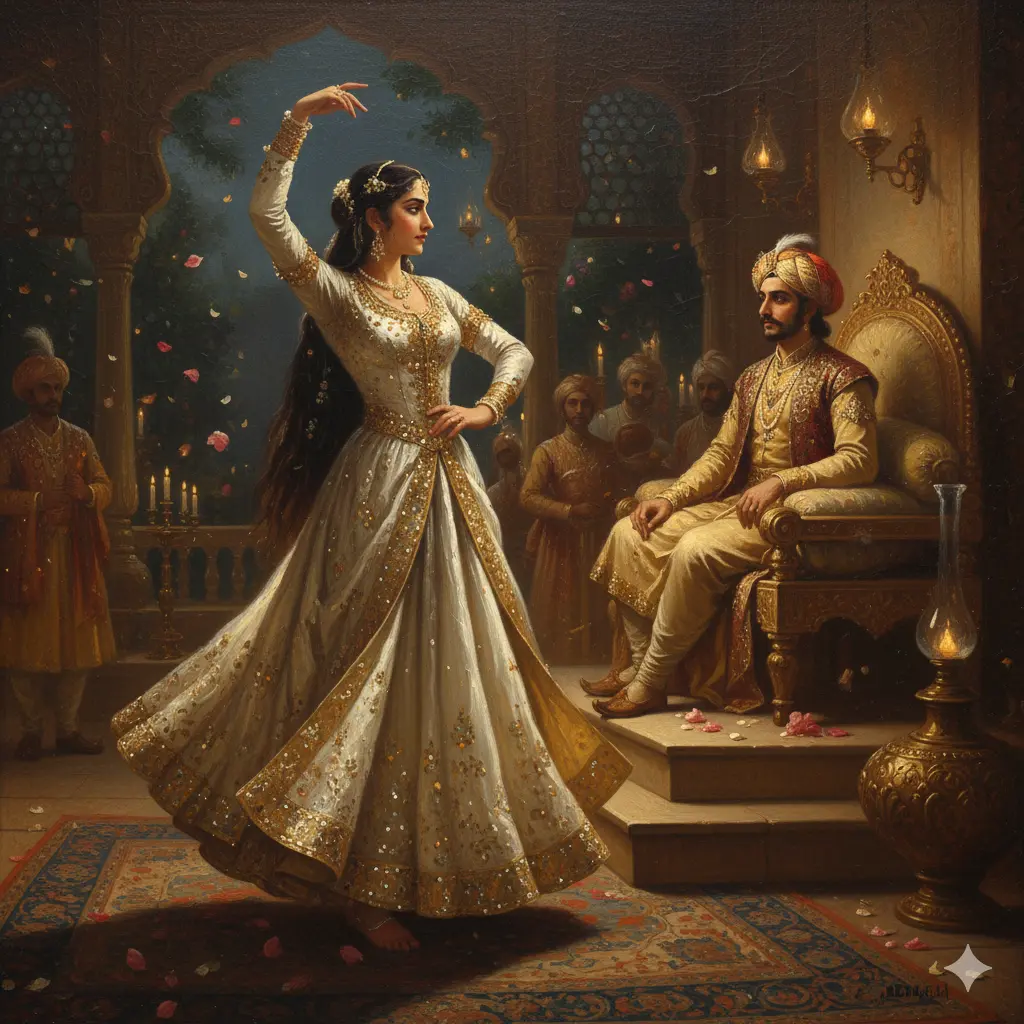
Mughal fashion wasn't just clothing—it was an embodiment of artistic expression and imperial luxury. The original Anarkali featured a long frock-style kurta, tight at the bust and flaring from the waist downward in multiple ‘kalis’ or panels. This dramatic flare wasn’t just sartorial—it was symbolic of status and elegance.
Royal garments were crafted in luxurious fabrics like:
Intricate embellishments were the soul of this attire. Techniques like Zardozi embroidery, Kundan beadwork, and mirror detailing turned the Anarkali into a moving canvas of craftsmanship, often reflective of the wearer's nobility and affluence.
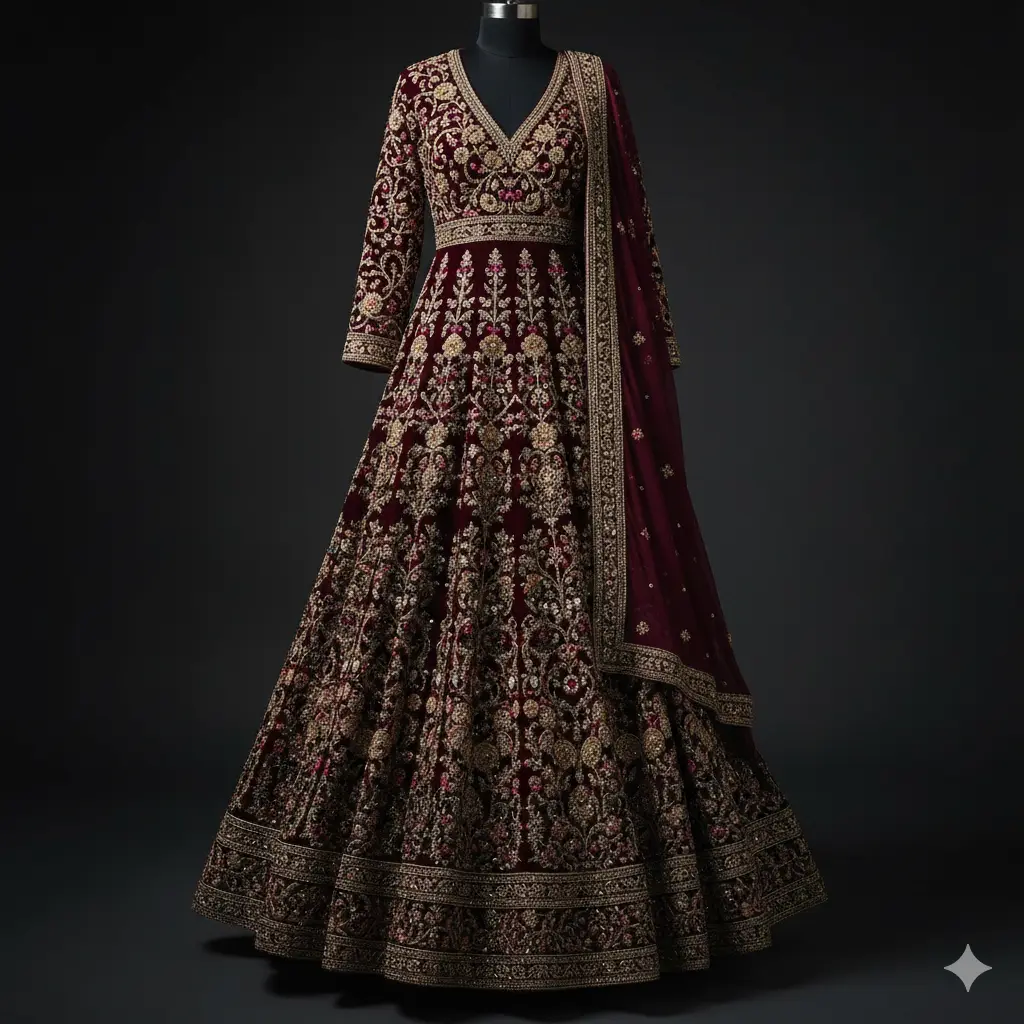
Initially associated with Mujra performers and court entertainers, the Anarkali soon found favor among royal women in Mughal harems. Its flattering cut, modest silhouette, and ornate detailing made it a perfect blend of form and function for aristocratic wardrobes.
The sophistication of the Anarkali carried Persian influence—a nod to the Mughal dynasty's heritage—while Indian craftsmanship flourished in its detailing. The evolution of the garment from a dancer's ensemble to regal couture is a testament to its adaptable elegance.
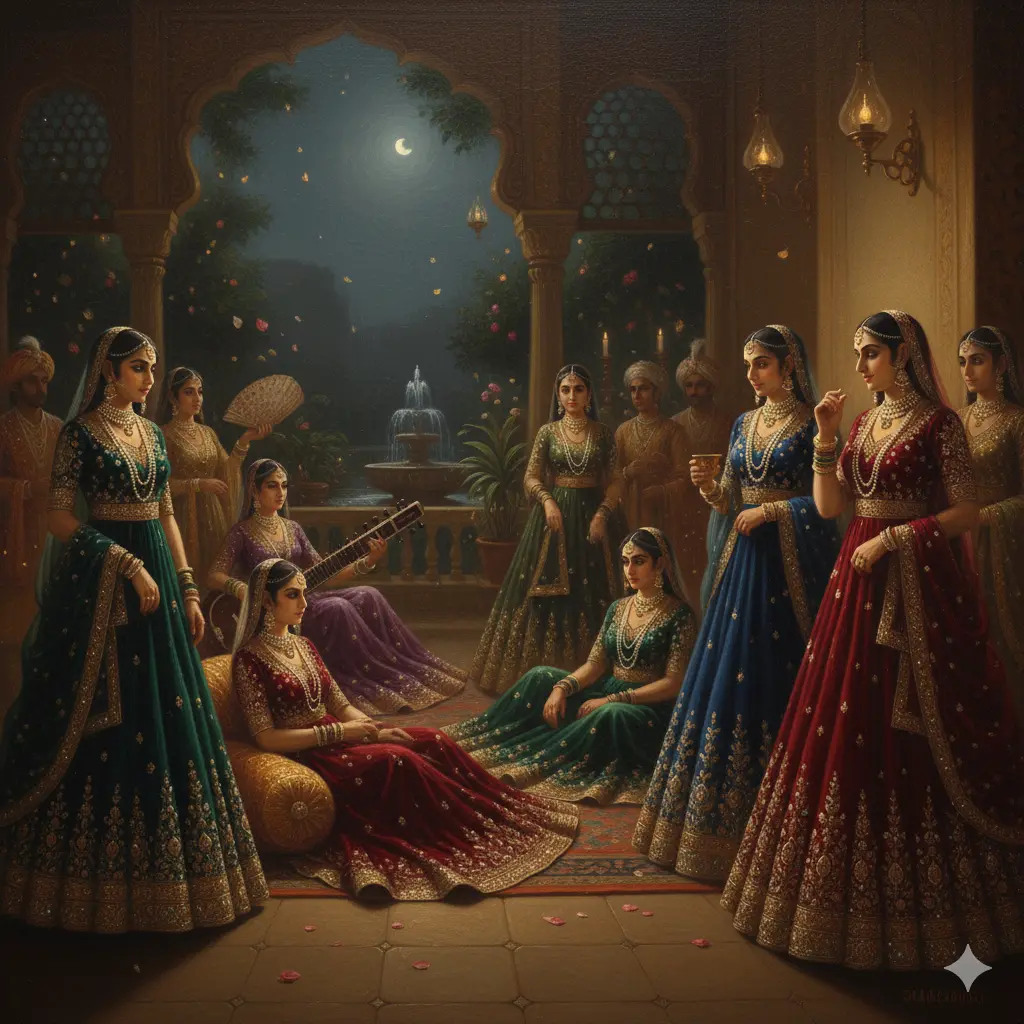
It was the silver screen that granted the Anarkali its grand revival. In the 1960 historical epic *Mughal-e-Azam*, actress Madhubala mesmerized audiences as Anarkali, her voluminous Anarkali dress becoming an unforgettable symbol of poetic grace.
In subsequent decades, particularly the 70s and 80s, Bollywood stars embraced the style, pairing it with heavy jhumkas and dramatic winged eyeliner to portray romantic heroines in unforgettable song-and-dance routines.
This cinematic renaissance cemented the Anarkali's position as the go-to outfit for showcasing Mughal fashion on screen and in real life.
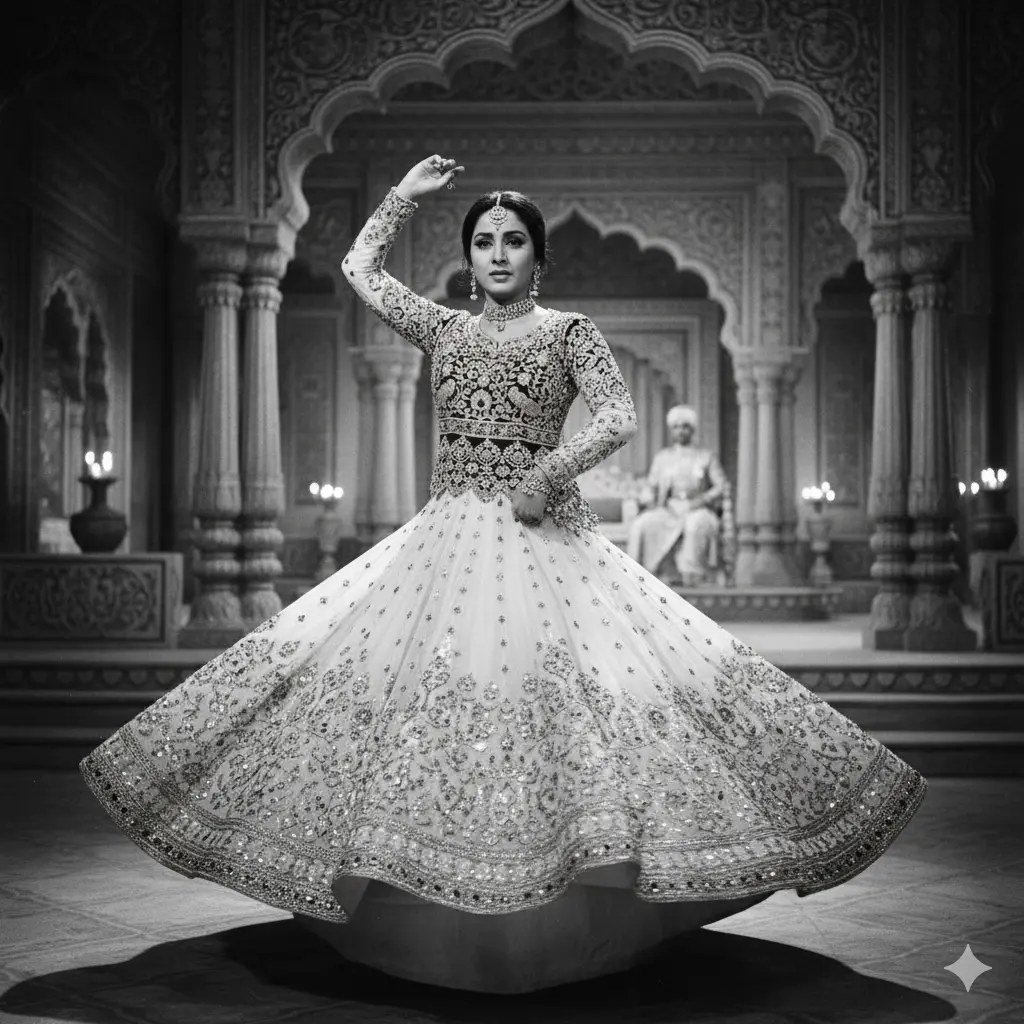
The early 2000s marked another major turning point. Indian and Pakistani designers revived the Anarkali, transforming it for the international South Asian woman. Gone were the overly ornate, heavy pieces. In came sleek, sophisticated, and versatile versions meant for modern tastes and lifestyles.
Designers played with the silhouette:
Lighter fabrics like georgette, chiffon, net, and crepe rendered the Anarkali more breathable—ideal for festive events throughout the UAE without compromising on glamour.
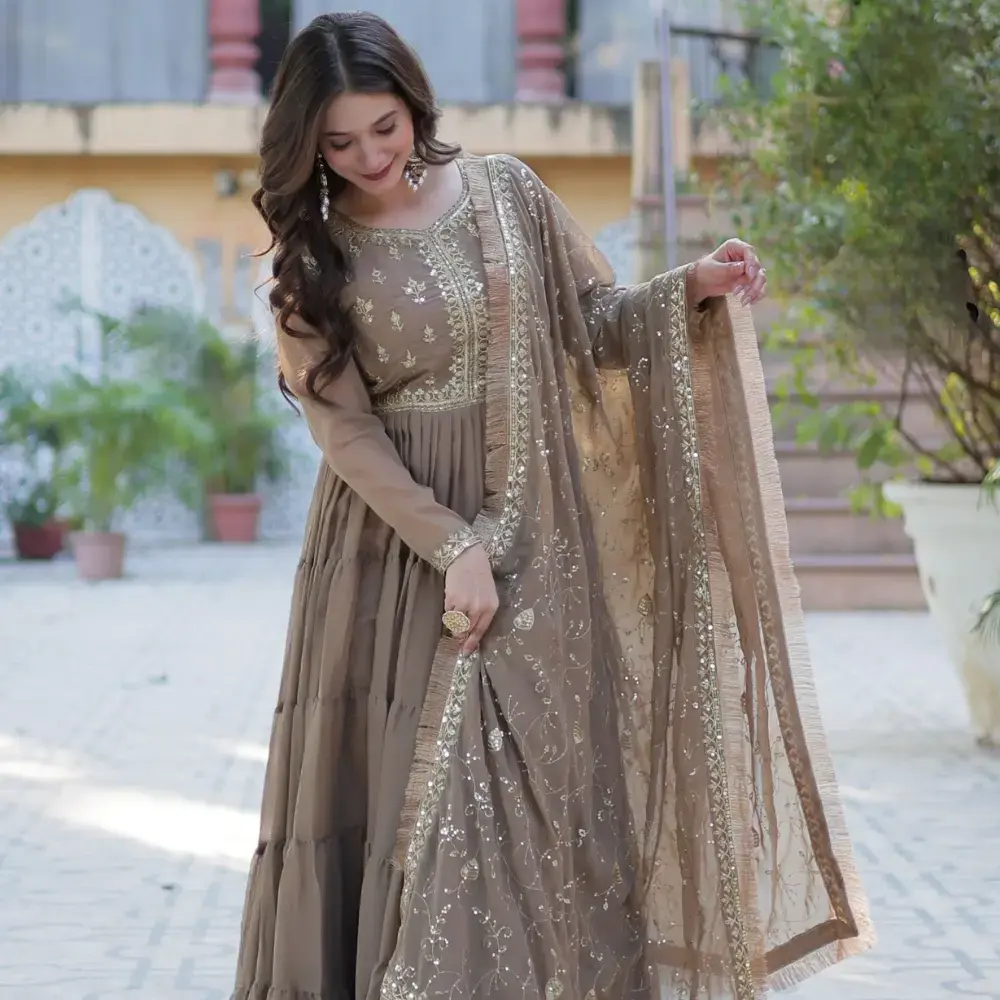
Fashionistas across Dubai, Abu Dhabi, and beyond are embracing inventive versions of the Anarkali. Among the most popular modern Anarkali styles are:
These evolutions have made the Anarkali an international favorite, effortlessly transitioning from New Delhi boulevards to UAE’s most glamorous ballrooms.
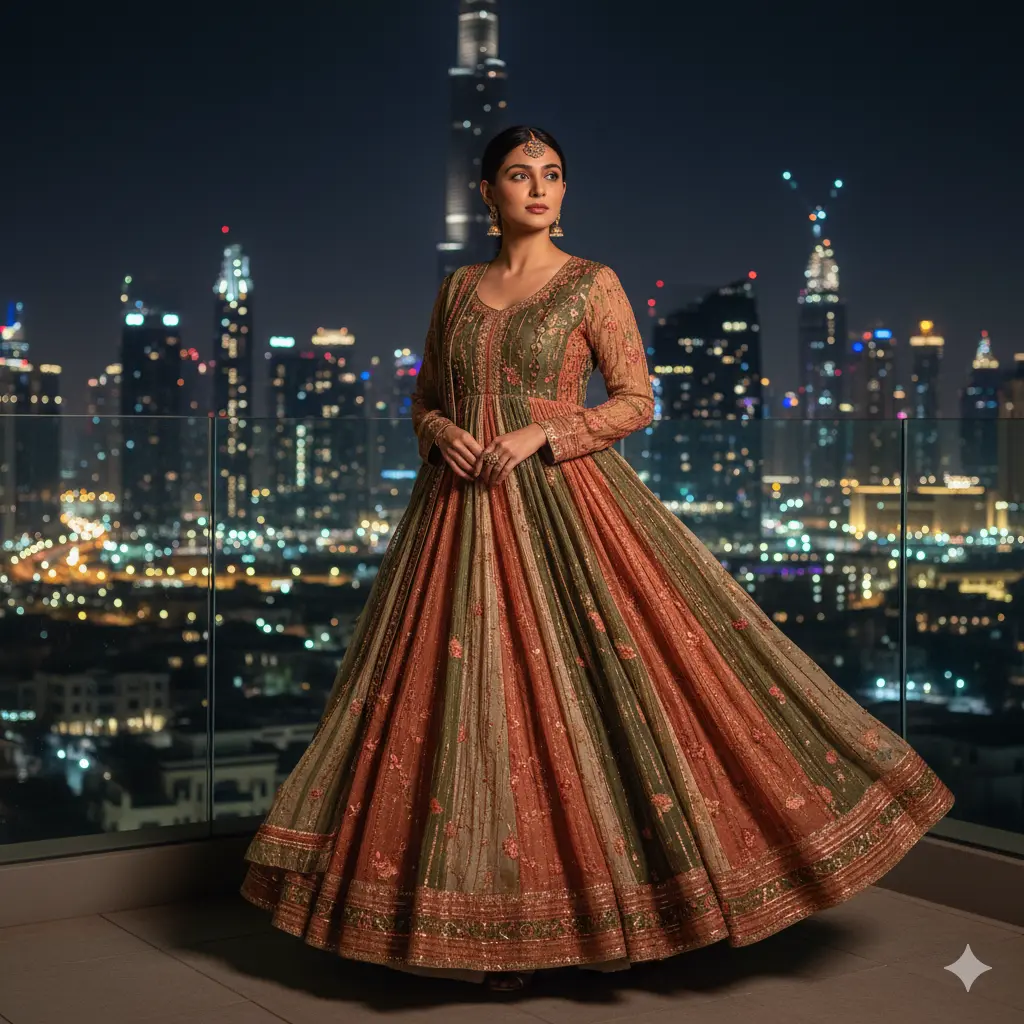
One of the greatest strengths of the Anarkali is its universally flattering shape. Its empire waist draws attention to the narrowest part of the torso, while the flared skirt gracefully cascades, creating an A-line silhouette that suits all body types.
This elongating effect adds height and presence. Whether you’re petite or tall, curvy or athletic, the Anarkali accentuates in all the right places. And despite its royal appearance, it offers surprising comfort—light enough to move gracefully through parties, yet structured enough to hold its shape through spirited sangeet performances.
In today’s age of social media, the “twirl factor” can’t be underestimated. The sheer dramatic movement of an Anarkali skirt creates picture-perfect moments—whether you're striking a pose for a flair shot or making a grand entrance at your own wedding.
Wearing an Anarkali is more than accessorizing—it's an immersive experience. With every step and swirl, you channel a sense of royalty and grace that few ensembles can offer. That’s why it's a favorite for:
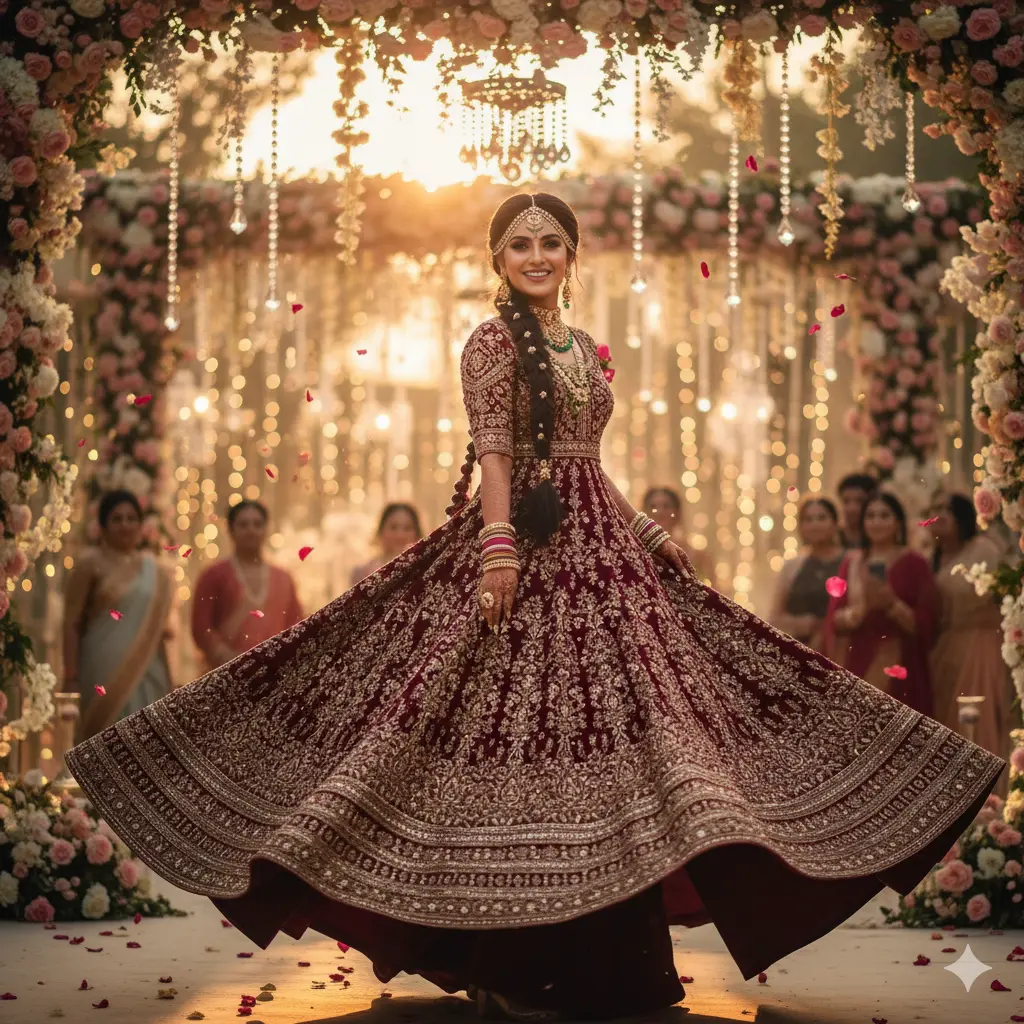
The beauty of the Anarkali lies in its chameleon-like versatility. Need something regal? Choose a floor-length velvet beauty with Zardozi work. Want something breezy and casual? Go for a knee-length Chikankari Anarkali with a keyhole neckline.
The outfit also lends itself to creative styling through:
From the hushed whispers of the Mughal court to the dazzling lights of a modern UAE wedding, the Anarkali suit has woven itself into the fabric of South Asian identity. It has stood the ultimate test of time, adapting without losing its soul.
It is a true fashion icon that manages to be both historical and utterly current. No other outfit so effortlessly marries the opulence of the past with the practical elegance demanded by today’s fast-paced, globalized world. When you select an Anarkali, you're not just choosing a dress; you are choosing a piece of history, a stroke of art, and a testament to enduring style.
In a marketplace flooded with fleeting trends, the Anarkali remains a reliable anchor of luxury and tradition. Its ability to reinvent itself—from a simple cotton daywear piece to a heavily embroidered bridal masterpiece—ensures that its reign as the gold standard of ethnic elegance will continue for generations to come.
Choosing an Anarkali is an investment in timeless glamour.
What is your favorite modern twist on the classic Anarkali silhouette? Let us know in the comments!
Share:
Feeling stuck in a style rut? This guide shows you how to accessorize outfits with jewelry that transforms everyday look...

From fit and fabric to formality, discover how to find the best white shirt for men that suits both the Dubai climate an...

Discover the beauty and legacy of Phulkari embroidery — from its cultural roots in Punjab to its modern fashion revival...

Discover expert laundry, drying, and storage tips that help make clothes last longer—saving money, reducing waste, and p...